Uganda’s government has rejected reports that it plans to shut down the internet during next month’s general election, insisting no such decision has been taken as the country heads into a tightly contested vote.
Speaking at a press briefing in Kampala on Monday, the Permanent Secretary at the Ministry of ICT and National Guidance, Aminah Zawedde, said claims of an impending internet blackout were false and aimed at stirring fear.
She said the government had neither announced nor issued instructions for an internet shutdown ahead of the January 15, 2026, election.
Zawedde acknowledged that online and offline political activity is expected to intensify during the campaign period, but warned that the surge has also been accompanied by increased misinformation. She urged media outlets and digital platforms to act responsibly, saying ICT and media play a central role in democratic participation.
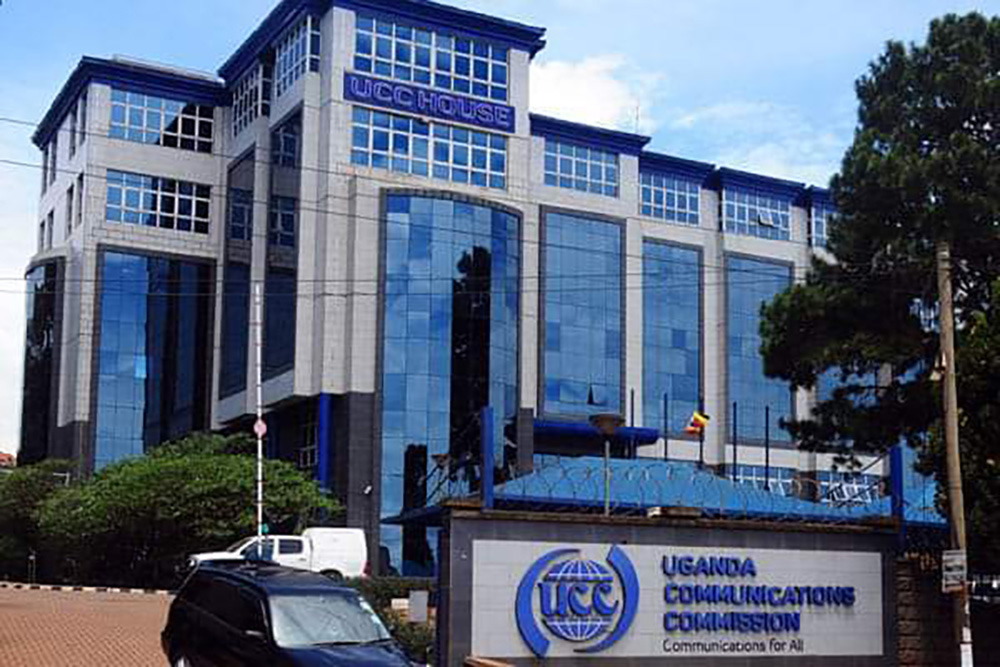
The ministry said it has been working with the Uganda Communications Commission (UCC) to engage broadcasters and other media stakeholders nationwide, encouraging ethical reporting and professionalism during election coverage.
Officials stressed that responsible media use is key to maintaining public order and national stability, warning that the spread of unverified information, including premature election results, would not be tolerated.
The UCC said it is monitoring both broadcast and online platforms for compliance with existing communication laws, with further guidance expected from its executive director.
The government has also appealed to journalists and the public to rely on official sources and verify information before sharing it online, dismissing claims urging citizens to close businesses or withdraw money over alleged internet shutdowns.
At the same time, authorities announced new restrictions on live coverage of unrest.
In a separate statement, the Ministry of ICT said live broadcasting or streaming of riots, “unlawful processions” or violent incidents would be banned during the election period, arguing that such coverage could escalate tensions and spread panic.
The ministry also prohibited the dissemination of content it described as inciting, hateful or violent.
The developments come amid heightened political tensions as President Yoweri Museveni, 81, seeks to extend his four-decade rule against opposition leader Bobi Wine, a 43-year-old musician-turned-politician.
Human rights groups say hundreds of opposition supporters have been detained in the run-up to the vote. More than 50 people were killed ahead of the 2021 election during security force crackdowns on Wine’s supporters, allegations of electoral theft that Museveni has denied.